The zoo with the most animals in Italy
About us
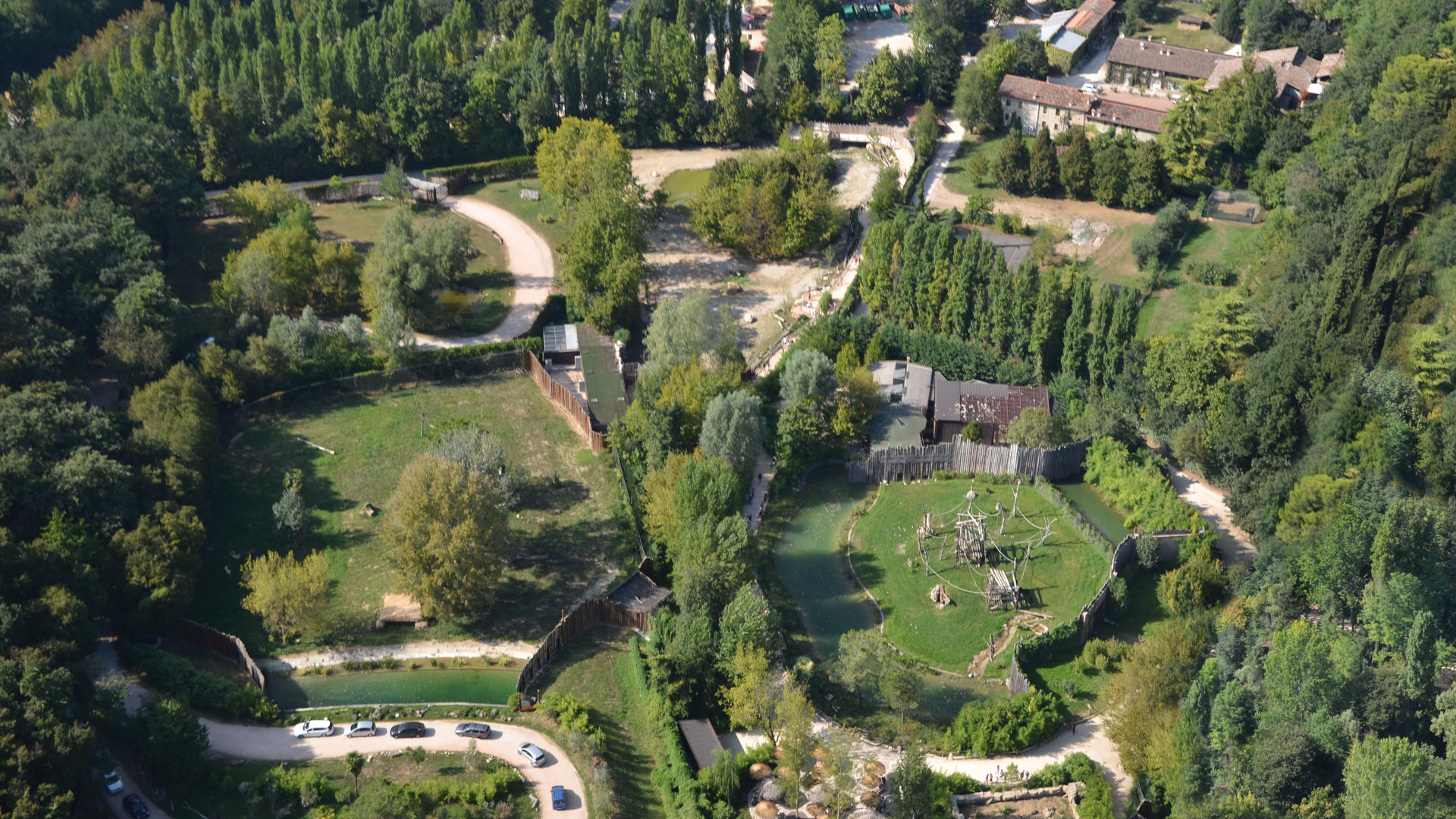
Natura Viva is a modern zoo, dedicated to conservation, animal welfare and environmental education.
Natura Viva is a modern zoo, dedicated to conservation, animal welfare and environmental education.
Natura Viva is committed to encouraging, supporting, and conducting research that improves animal management in zoos, benefits conservation programs, and contributes to basic scientific knowledge of animals and their habitats. Research conducted in zoos continues to play an important role, especially for those elusive and shy species that are difficult to observe in the wild. All animal research conducted in the park is non-invasive and is conducted primarily through simple observation.
The survival of natural environments and numerous animal and plant species is seriously threatened by the rapid growth of the world's population and the resulting increased demand for natural resources. To counteract the consequences of biodiversity decline, Natura Viva is a member of major dedicated associations - such as UIZA, EAZA, and WAZA - and is committed to the conservation of endangered species through research and awareness-raising activities, conservation projects, and the reintroduction into the wild of individuals born in facilities - such as the European bison, griffon vulture, and northern bald ibis.
The challenging role that Parco Natura Viva in Bussolengo (VR) has undertaken as a conservation center for endangered animal species is both ambitious and stimulating. Today, the institutional functions of a modern zoo encompass the conservation of biodiversity in many aspects and can be summarized in three pillars: in-situ and ex-situ conservation, research, and education.
Natura Viva park is now a modern zoo, an important conservation center for endangered species. It was founded in the 1960s by Alberto Avesani, who transformed part of his farm into a wildlife area, where he also temporarily hosted circus animals. Natura Viva was inaugurated on June 21, 1969, with the current wildlife trail and the presence of its first resident: Pippo the hippopotamus, who remained with us until 2009. In 1973, a safari was added, accessible by private vehicle. In 1978, the facility was further expanded with new trails, including the Dinosaur area, where visitors, for the first time in Italy, could admire life-size models of ancient reptiles.